Buying a Denver Condo: The HOA Documents That Decide Whether You Can Finance It
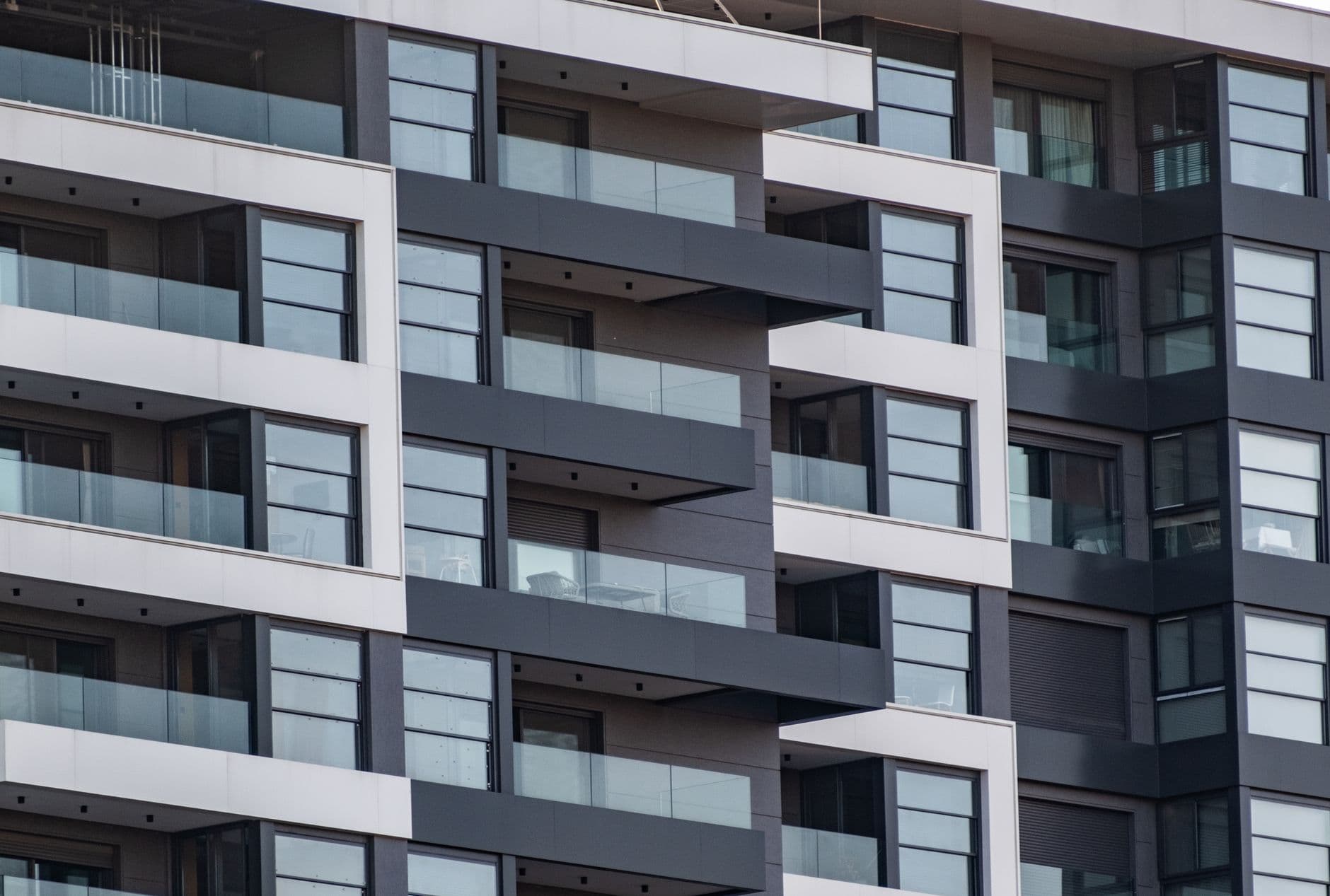
The most expensive mistake I see in Denver condo purchases isn't overpaying for a unit. It's buying into a building whose finances make the unit hard to sell later — and finding out at the worst possible moment, when your own buyer's lender declines it.
With a single-family home, an inspection tells you most of what you need. With a condo, the unit is the smaller half of the purchase. You're also buying a fractional share of a building, its reserves, its litigation, and its neighbors' willingness to fund repairs. All of that is knowable before you close, and almost all of it lives in four documents.
1. The reserve study
A reserve study is a professional assessment of the building's major components — roof, elevators, boilers, plumbing risers, parking structure — with an estimate of remaining useful life and replacement cost, and a funding plan.
What you want to know:
- How recent is it? A study more than a few years old is a historical document, not a plan.
- What percentage funded is the association? A well-funded association has money set aside proportional to what it will need. A poorly funded one is planning to bill you later.
- What's coming due in the next five years? A roof at the end of its life in an association with thin reserves is a special assessment with a date on it.
Underfunded reserves are not a technicality. They are a bill you have not yet received.
2. The special assessment and budget history
Ask for the last three years of budgets and any special assessments passed or under discussion.
Patterns worth noticing: dues that have been held artificially flat for years — usually popular with owners and terrible for the building — or repeated special assessments, which suggests the regular budget doesn't reflect the building's real costs.
A well-run association raises dues gradually and predictably. An association that keeps dues low and then hits owners with five-figure assessments is not cheaper; it's just less honest about timing.
3. Litigation history
Ask directly whether the association is party to any litigation, and read the meeting minutes.
Colorado has a long and specific history here around construction-defect claims, which for years made lenders wary of newer condo projects and suppressed condo construction across the state. The details have shifted with legislation over time, but the underlying lending caution is real and it's the reason this question matters more in Denver than in many markets.
Litigation involving the building's structure or envelope can make a project non-warrantable — meaning Fannie Mae and Freddie Mac won't buy the loan, so most conventional lenders won't make it. A non-warrantable condo isn't unbuyable, but the financing is narrower and more expensive, and every future buyer faces the same constraint. That shows up directly in resale price.
4. The owner-occupancy ratio
This is the one buyers most often skip, and it can quietly determine whether the deal happens at all.
Conventional lending guidelines look at what share of units are owner-occupied versus rented, along with whether any single entity owns too large a share of the building. A project heavy with investor-owned rentals can fall outside those guidelines.
The consequence is the same as with litigation: fewer lenders, worse terms, a smaller pool of future buyers. If you're buying to hold and rent, this cuts both ways — you're contributing to the ratio you'll later be judged by.
The questions to ask before you're emotionally committed
- What percentage funded are the reserves, and as of when?
- What's the largest expected capital expense in the next five years?
- Has a special assessment been passed or discussed in the last three years?
- Is the association in litigation, or has it been in the last five?
- What's the owner-occupancy percentage?
- Are there rental caps, and is there a waiting list?
- What exactly do the dues cover — utilities, insurance, amenities?
What should actually stop a deal
Not much of the above is automatically disqualifying. Plenty of good buildings have a known upcoming project and are funding it responsibly.
What should give you real pause is the combination: thin reserves, a major component near end of life, no plan in the minutes, and dues that haven't moved in years. That building has a bill coming and hasn't decided who pays it. It might be you, six months after closing.
Where this bites hardest
In Cherry Creek and downtown, where full-service buildings carry substantial dues, what those dues cover varies enormously between buildings. Two units at the same list price can differ by hundreds a month in carrying cost. Compare the total monthly number, never the list price alone.
I read these documents on every condo deal I represent, before my clients are emotionally committed to a unit. If you're shopping Denver condos, [let's talk](/contact) — it's a short conversation that has saved buyers a great deal of money.