Metro District Taxes in Douglas County: What They Actually Cost You
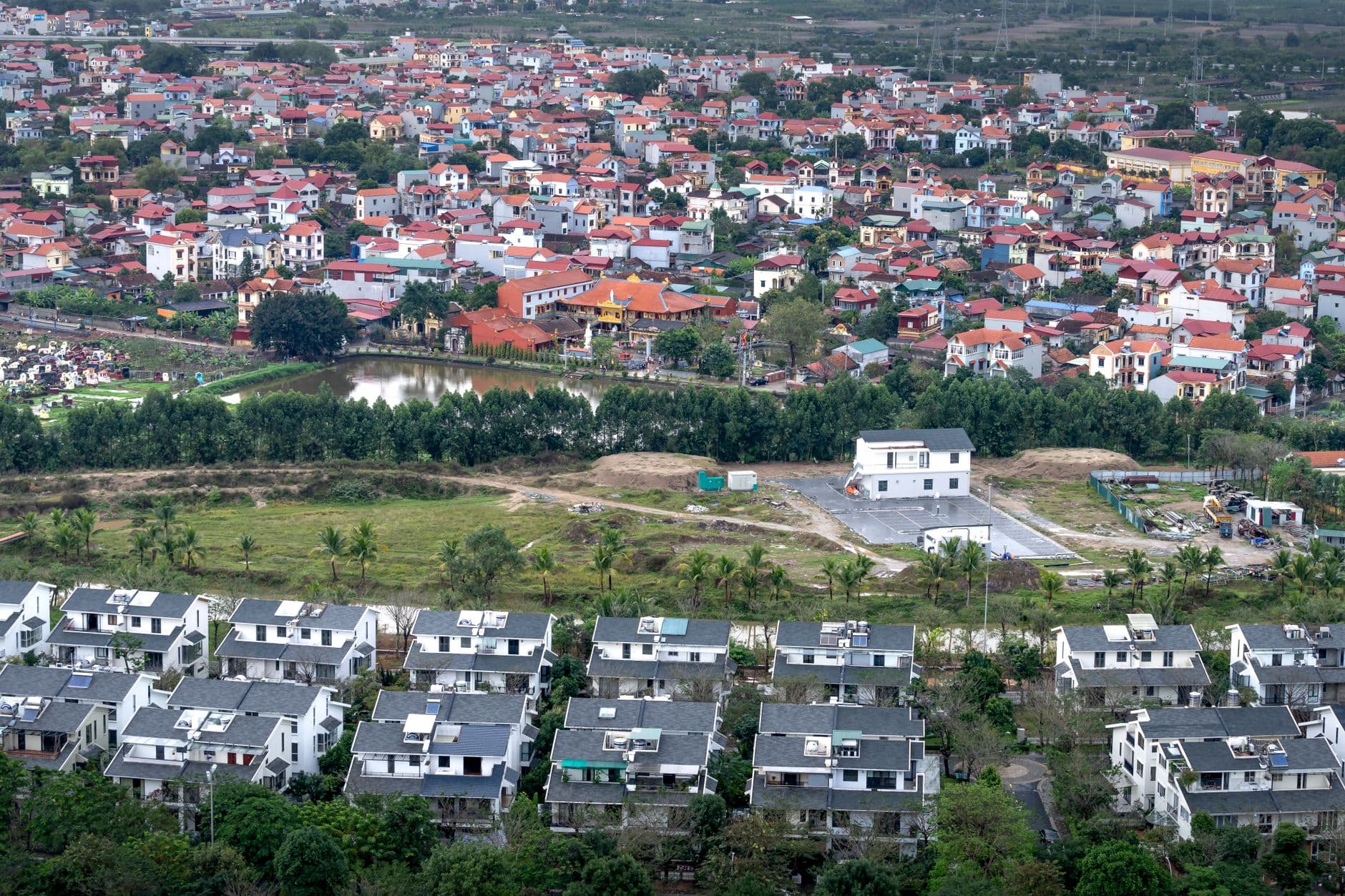
Buyers touring new construction in Douglas County run into the same surprise over and over. Two homes look comparable — similar size, similar finishes, similar list price — and then the property tax estimate on one is dramatically higher than the other. Nothing is wrong with the listing. One of them sits inside a metropolitan district, and the other doesn't.
This is one of the most consequential things to understand before buying new construction in Colorado, and it's routinely glossed over until closing.
What a metro district actually is
When a developer builds a new subdivision, someone has to pay for the infrastructure that makes it livable: roads, water and sewer mains, drainage, parks, landscaping on the common areas. Historically a city funded that and recovered it through general taxes. In much of modern Colorado, the developer instead forms a metropolitan district — a quasi-governmental entity under Title 32 of the state statutes — which issues bonds to pay for the work up front.
Those bonds get repaid by the people who eventually live there, through an additional mill levy on top of the county, school, and municipal levies you'd pay anywhere.
It is not a scam and it is not hidden. It's a financing structure, it's disclosed, and it's why a lot of new neighborhoods exist at all. But it is a real, ongoing cost that a list price doesn't show you.
Why it matters more than people expect
A metro district levy is layered onto your property tax bill, which for most buyers is escrowed into the monthly mortgage payment. So it doesn't feel like a separate bill — it feels like the house is simply more expensive to own every single month, for as long as the bonds are outstanding. That can be decades.
The practical effect: two homes at the same price can have meaningfully different monthly costs. A buyer comparing them on price alone is not comparing the same thing. I've watched people stretch to the top of their approval on a home in a high-levy district and then discover their real monthly number is well above what they'd budgeted.
How to actually check
Before you write an offer on new construction — anywhere in Castle Rock, Parker, Highlands Ranch, or Lone Tree — do these four things:
- Pull the total mill levy for the specific parcel, not the neighborhood. The Douglas County Assessor's property search will show you the taxing authorities attached to that address. Districts can vary street to street inside what looks like one development.
- Ask for the district's disclosure statement. Colorado requires sellers in a metro district to provide one. It should state the current levy, the maximum authorized levy, and the outstanding debt.
- Look at the gap between current and maximum levy. This is the part people miss. If a district is levying well below what it's authorized to levy, your taxes can legally rise substantially without any vote, simply as the district services its debt.
- Compare total monthly cost, not price. Principal, interest, taxes, insurance, HOA, and the metro district levy. That's the number that has to work.
The questions worth asking
- How much debt does the district still carry, and what's the payoff horizon?
- Is the district still controlled by the developer, or has it transitioned to resident control?
- Has the district refinanced, and did that extend the repayment period?
- Are there plans to issue additional debt?
A seller's agent may not know the answers. The district itself is a public entity and has to make its budget and audits available.
Is a metro district a reason not to buy?
No — and treating it as one would rule out a large share of the best new inventory in the south metro. Plenty of excellent neighborhoods are in districts, and the amenities that levy paid for are often the reason you like the place.
The point is simply that it has to be in the math. A home in a district isn't worse; it's more expensive to own than its price suggests, and you should know by how much before you fall in love with it.
Resale matters too
When you sell, your buyer runs into the same wall — with the added disadvantage that by then the district's levy may have risen. Homes in high-levy districts can take longer to sell against comparable homes outside one, because the monthly payment comparison is unforgiving.
That's not a reason to avoid them. It's a reason to buy in a district where the amenities genuinely justify the levy, rather than one where you're simply paying off pipes.
Thinking about new construction in Douglas County? I'll pull the parcel's actual levy and the district disclosure before you write, so the monthly number you're planning around is the real one. [Get in touch](/contact).